
Renovating Older Homes in Atlanta: What to Expect

Discover the challenges and rewards of renovating older homes in Atlanta, from wiring updates to foundation fixes.
Home Renovation, Atlanta Older Homes
What to Expect When You Renovate an Older Atlanta Home
When you renovate an older Atlanta home, expect a mix of charming character and hidden issues. You will likely address outdated wiring and plumbing, moisture and foundation movement from Georgia red clay, and possible lead or asbestos. With the right Atlanta home renovation contractor and a solid contingency budget, the process can be smooth and rewarding.
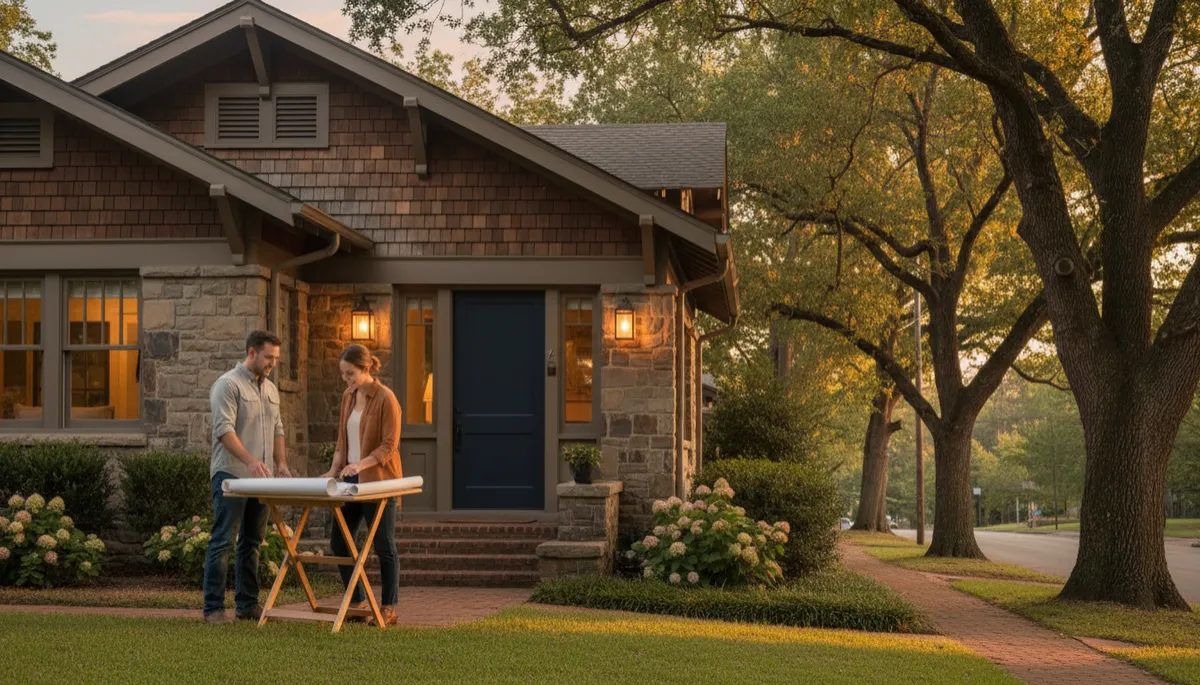
What are the key things to expect when you renovate an older Atlanta home?
Expect a thorough inspection phase, some surprises behind the walls, and a longer timeline than a newer build. You will likely upgrade electrical, plumbing, and HVAC, address moisture and foundation concerns, and navigate permits or historic approvals. With clear planning and a 15 to 20 percent contingency, the project stays manageable and exciting.
Key takeaways for Atlanta homeowners
- Build in a 15 to 20 percent contingency for an old house renovation budget.
- Expect electrical, plumbing, and possibly foundation and moisture repairs.
- Historic districts like Inman Park, Grant Park, and Decatur require extra approvals.
- Choosing an experienced Atlanta home renovation contractor keeps surprises under control.
What problems are common in older Atlanta homes?
In metro Atlanta, older homes often have foundation movement from Georgia red clay, crawl space moisture, termite damage, wood rot, outdated knob and tube wiring, and galvanized or cast iron plumbing. You may also see aging roofs, poor insulation, and windows that leak air, all of which affect comfort, safety, and energy bills.
Georgia red clay expands when wet and shrinks when dry, which can cause cracks in foundations, sloping floors, and doors that stick. Many intown bungalows and ranch homes sit over vented crawl spaces that trap moisture, leading to mildew, fungal growth, and sagging joists. Termites and carpenter ants are common in our humid climate and often attack porch columns, sill plates, and old floor framing. Inside the walls, original knob and tube wiring or undersized panels may not meet the 2023 National Electrical Code, increasing fire risk. Galvanized and cast iron pipes corrode from the inside, causing low water pressure, discolored water, and hidden leaks that damage framing and subfloors.
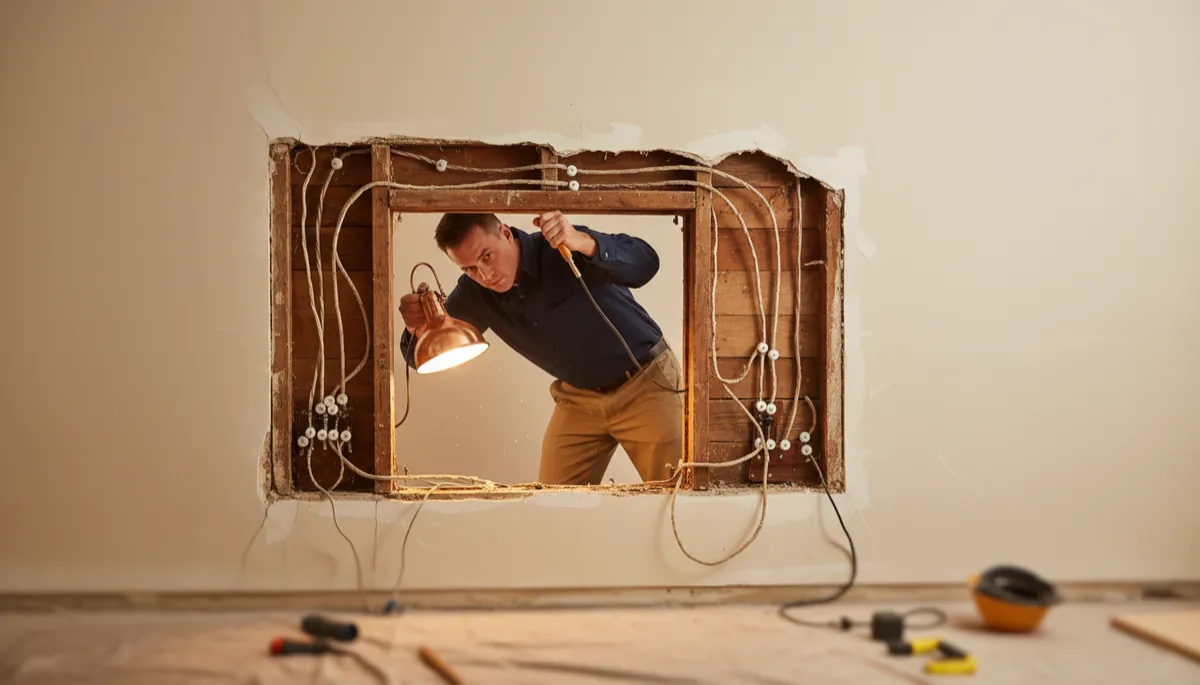
Careful inspection of wiring and framing helps prevent costly surprises later.
Do older homes need lead paint and asbestos testing?
If your Atlanta home was built before the late 1970s, testing for lead paint and asbestos is strongly recommended before demolition. Disturbing these materials without proper containment can create serious health risks. A certified inspector can identify hazards so your renovation crew can plan safe, compliant removal or encapsulation strategies.
Lead based paint often appears on trim, windows, and doors in historic neighborhoods like Inman Park, Grant Park, and Decatur. Asbestos may be found in old floor tiles, pipe insulation, joint compound, and some roofing materials. Professional testing is relatively affordable compared to the cost of an unsafe cleanup. A qualified Atlanta home renovation contractor will coordinate with environmental specialists and follow federal Renovation, Repair and Painting rules where lead is present, keeping your family and neighbors protected throughout the project.
How much longer does an older home renovation take?
Renovating an older Atlanta home usually takes longer than updating newer construction. Extra time is needed for discovery, design revisions, structural fixes, and inspections. A whole home project can range from several months to a year, depending on scope, permitting, and how many surprises appear once walls and floors are opened.
Early in the process, your contractor will schedule detailed inspections and exploratory demolition to understand existing conditions. If foundation piers need reinforcement, plumbing must be rerouted through tight crawl spaces, or knob and tube wiring requires a full rewire, the schedule naturally extends. City of Atlanta permits, historic reviews, and required inspections under the 2024 International Residential Code and 2023 National Electrical Code also add time. A clear project calendar, regular updates, and realistic expectations help you plan around temporary disruptions and enjoy the finished result.
Will I need to update wiring, plumbing and foundation?
In many old house renovation projects, yes. Knob and tube or cloth covered wiring, galvanized and cast iron pipes, and foundations stressed by red clay movement often need upgrades. Not every system must be replaced, but your contractor should evaluate safety, code compliance, and long term reliability before finalizing your renovation plan.
Electrical updates might include a new panel, grounded outlets, GFCI protection, and dedicated circuits for modern appliances and HVAC. Plumbing improvements can involve replacing galvanized supply lines with PEX or copper and addressing slow drains or root intrusions in older sewer lines. For foundations, solutions range from improving site drainage and adding downspout extensions to installing additional piers or sistering floor joists affected by moisture and wood rot. Addressing these structural and system upgrades during your historic home remodeling Atlanta project creates a safer, more comfortable home for decades.
What issues are common by era in older Atlanta homes?
| Home Era | Typical Issues | Typical Fix | Relative Cost |
|---|---|---|---|
| 1920s bungalows | Knob and tube wiring, lead paint, drafty windows, crawl space moisture | Full rewire, lead safe practices, window restoration or replacement, encapsulated crawl space | $$$$ (higher) |
| 1950s ranches | Galvanized pipes, limited insulation, aging roofs, dated layouts | Repipe, attic insulation, roof replacement, open concept reconfiguration | $$$ (moderate to higher) |
| 1970s builds | Aluminum wiring in some homes, early HVAC, potential asbestos materials | Electrical corrections, HVAC replacement, targeted asbestos abatement | $$ to $$$ (moderate) |
| 1980s builds | Builder grade finishes, aging HVAC, possible polybutylene plumbing | Cosmetic upgrades, HVAC replacement, full plumbing replacement if polybutylene | $$ (moderate) |
Do I need permits or historic district approval in Atlanta?
Most structural, electrical, plumbing, and major interior changes require permits through the City of Atlanta or your local jurisdiction. If your home sits in a designated historic district, you may also need design approval before work begins. A knowledgeable contractor will guide you through both processes and current 2026 code requirements.
Atlanta now uses updated 2024 International Residential Code standards and the 2023 National Electrical Code for new permit applications. Applications are submitted online through the Accela portal, and projects that affect trees require a pre application arborist meeting. In historic areas like Inman Park, Grant Park, and parts of Decatur, exterior changes may need a Certificate of Appropriateness before you can pull building permits. Partnering with an Atlanta home renovation contractor who understands local zoning rules, permit exemptions for smaller repairs, and the latest deadlines helps keep your project on track and compliant.
How do I budget for surprises in an older home renovation?
For any renovate older home Atlanta project, plan a 15 to 20 percent contingency on top of your base budget. This cushion covers hidden issues like decayed framing, undersized beams, or unpermitted past work. Getting a detailed scope, transparent allowances, and line item estimates helps you prioritize if unexpected costs appear.
Renovation cost guides show that whole home remodels in Atlanta can range widely, from tens of thousands for cosmetic updates to several hundred thousand for full gut remodels. Older homes are more likely to need electrical rewiring, repiping, crawl space encapsulation, or structural reinforcement, so a healthy contingency is essential. During design, your contractor should flag high risk areas, such as aging bathrooms over crawl spaces or additions built on minimal footings, so you are not caught off guard when demolition starts. A thoughtful plan protects both your wallet and your peace of mind.
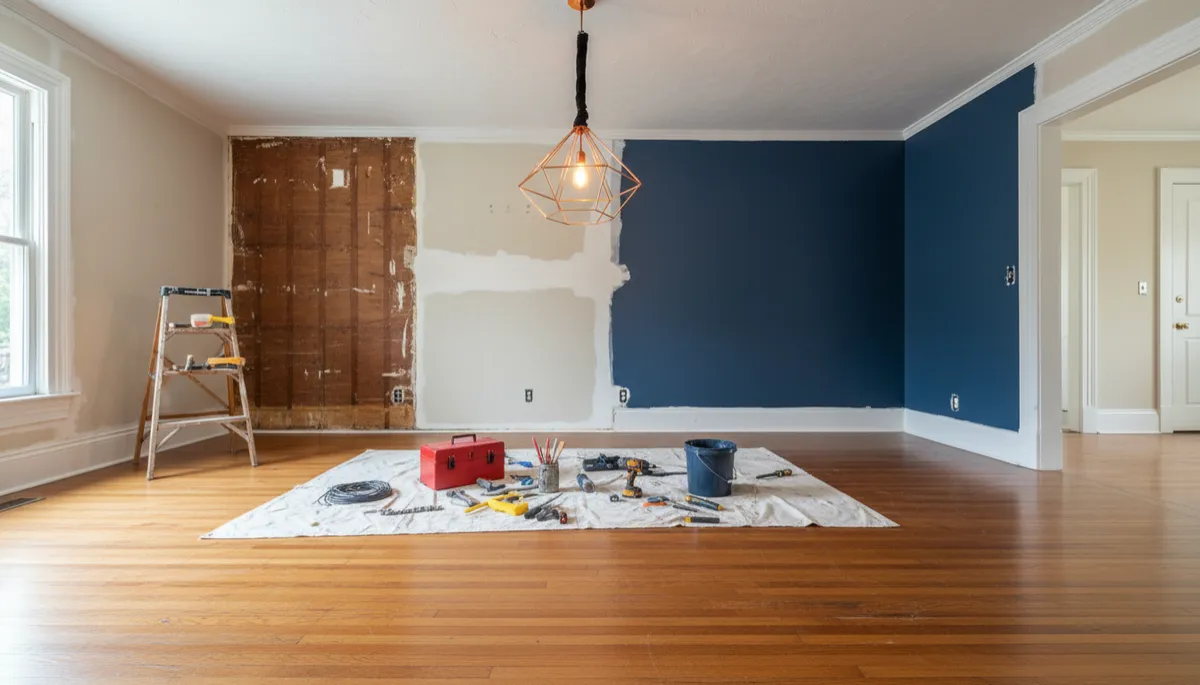
Preserving original hardwoods while updating walls and systems balances character and comfort.
What is the step by step process to renovate an older Atlanta home?
- Initial consultation and goals. Meet with your contractor to discuss how you live, what you love about your home, and your must have changes, budget, and timeline.
- Detailed inspection and discovery. Evaluate structure, foundation, crawl space moisture, electrical, plumbing, roof, and any past additions, including termite and wood rot checks.
- Design and budgeting. Create floor plans, finish selections, and a realistic budget that includes a 15 to 20 percent contingency for your old house renovation.
- Permits and approvals. Submit drawings, secure permits, and obtain any historic district approvals required for exterior changes or additions.
- Selective demolition. Carefully open walls, ceilings, and floors to expose wiring, plumbing, and framing while protecting original features you plan to keep.
- Structural and systems upgrades. Address foundation concerns, reframe where needed, update electrical and plumbing, and improve insulation and HVAC for comfort and efficiency.
- Rough inspections. City inspectors review framing, electrical, plumbing, and mechanical work to confirm compliance with current Georgia and Atlanta codes before walls are closed.
- Drywall, trim, and finishes. Install drywall, repair plaster, refinish original hardwoods, add trim, cabinets, tile, and paint in your chosen warm neutral, navy, and copper palette.
- Final inspections and walk through. Complete final inspections, punch list items, and a detailed homeowner orientation so you understand new systems and maintenance needs.
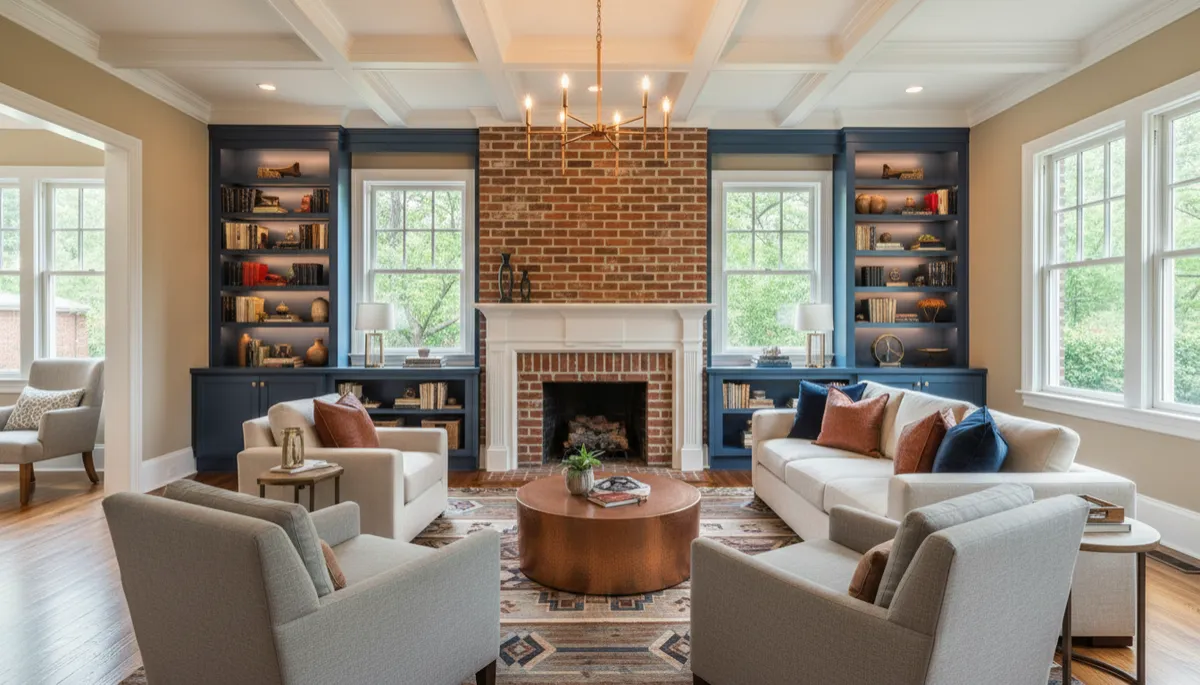
Thoughtful design blends historic details with modern comfort and function.
FAQ about renovating an older Atlanta home
How much does it cost to renovate an older home in Atlanta?
Costs vary widely based on size and scope, but many whole home projects fall between the tens of thousands and several hundred thousand dollars. Structural repairs, full system upgrades, and historic details increase costs. A detailed proposal from an experienced Atlanta home renovation contractor will reflect your specific home and goals.
Can I live in my home during renovation?
Sometimes. For smaller projects or work limited to one area, you may be able to stay with careful planning. For major old house renovation projects involving extensive demolition, utilities shutoffs, or whole home flooring and drywall, many homeowners choose to move out temporarily for comfort and safety.
Will renovating my historic home hurt its character?
When done thoughtfully, historic home remodeling Atlanta projects enhance character by restoring original features and removing awkward later changes. The goal is to keep what makes your home special while improving flow, light, safety, and everyday livability with updated kitchens, baths, and systems.
How do I choose the right contractor?
Look for a licensed, insured Atlanta home renovation contractor with specific experience in older homes and historic districts. Ask to see similar projects, check references, and review how they handle permitting, communication, and change orders. A clear process and detailed contract are essential.
What can I do now to prepare my home?
Before work begins, declutter, photograph special details you want to preserve, and identify temporary storage or housing if needed. Gather any existing drawings, survey documents, or past permits. An organized start helps your contractor plan your renovate older home Atlanta project efficiently.
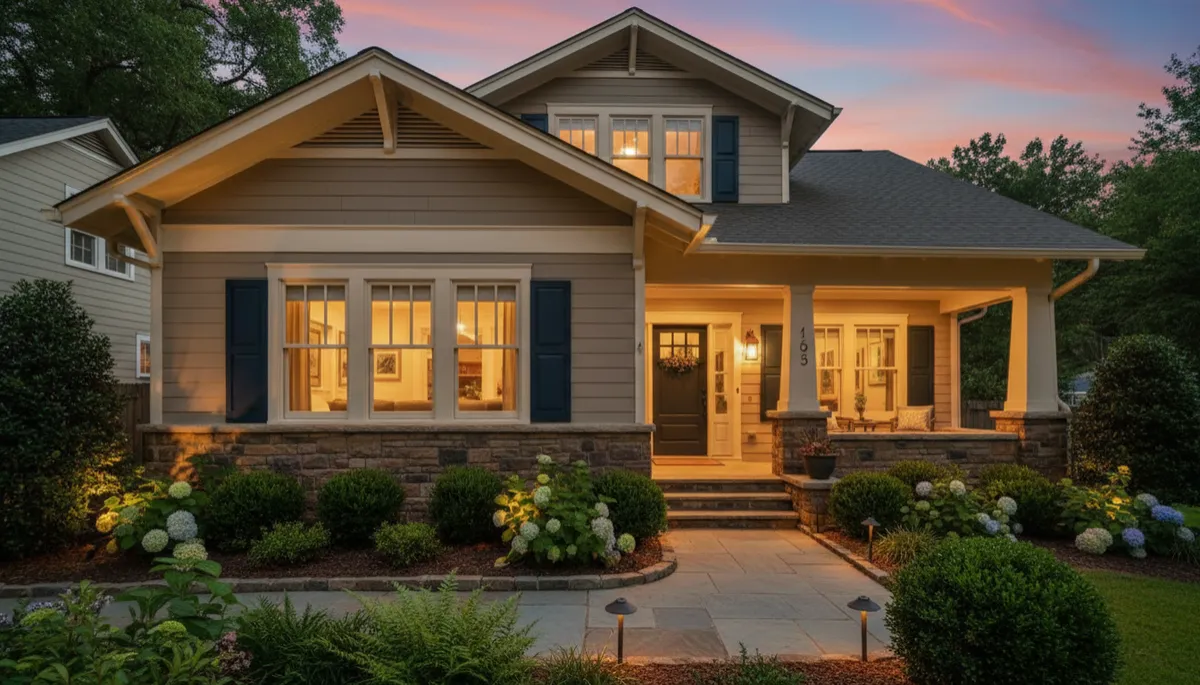
A carefully renovated exterior respects neighborhood history while feeling fresh and welcoming.
Ready to renovate your older Atlanta home?
If you are dreaming about updating a craftsman bungalow, mid century ranch, or 1980s home in metro Atlanta, ATL Home Reno in Dacula is here to help. Schedule a free virtual consultation today to discuss your goals, budget, and timeline, and start planning a renovation that honors your home’s story while making it work beautifully for your life.
Meta Title: What to Expect When You Renovate an Older Atlanta Home | ATL Home Reno
Meta Description: Planning to renovate an older home in Atlanta? Learn what to expect with wiring, plumbing, foundations, permits, historic approvals, costs, and timelines. Get expert tips from ATL Home Reno, your trusted Atlanta home renovation contractor for old house renovation and historic home remodeling Atlanta projects.
Wondering What Your Project Really Costs?
Answer a few quick questions and get a realistic planning range in under two minutes. No pressure, no spam — just honest information to help you plan.
Free • No Obligation